Tattoo Removal and Cover-Ups: What You Need to Know

Tattoos can be a beautiful form of self-expression, but they can also become a source of regret. Whether it’s a design that no longer resonates, a name that’s lost its meaning, or simply a change in personal style, many people find themselves considering tattoo removal or cover-ups. In this post, we’ll explore the ins and outs of both options, helping you make an informed decision about your body art.
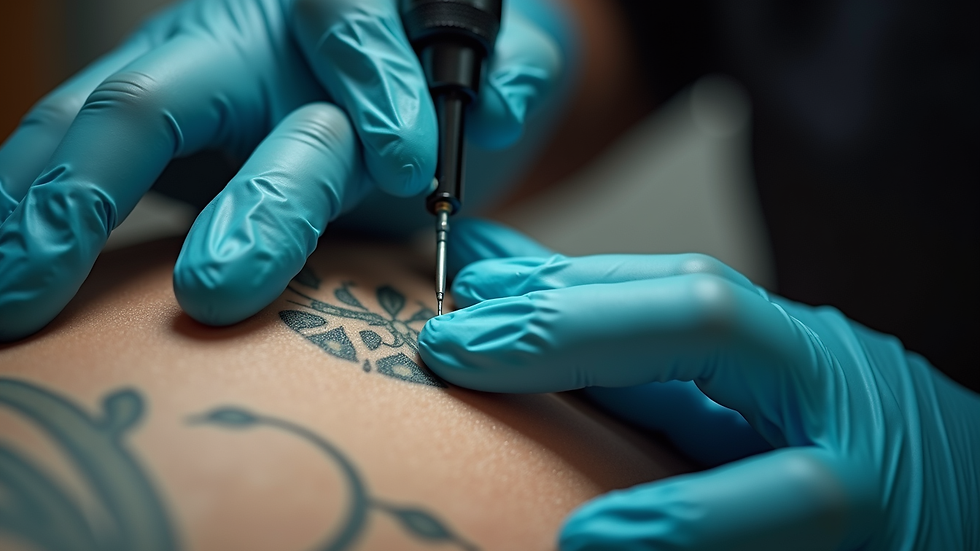
Understanding Tattoo Removal
Why People Choose Tattoo Removal
There are several reasons why someone might opt for tattoo removal:
Regret: Many individuals regret their tattoos after a significant life change, such as a breakup or career shift.
Change in Taste: What seemed like a great idea at 18 may not hold the same appeal at 30.
Professional Reasons: Some professions have strict policies regarding visible tattoos, prompting individuals to seek removal.
Skin Reactions: Allergic reactions or skin conditions can also lead to the decision to remove a tattoo.
Methods of Tattoo Removal
There are several methods available for tattoo removal, each with its own pros and cons:
Laser Removal: This is the most common method. It uses high-intensity light beams to break down the ink particles in the skin.
Pros: Effective for most colors, minimal scarring.
Cons: Multiple sessions required, can be painful.
Surgical Excision: This involves cutting out the tattooed skin and stitching the remaining skin together.
Pros: Immediate results, effective for small tattoos.
Cons: Scarring is likely, not suitable for larger tattoos.
Dermabrasion: This method sands down the skin to remove the tattoo.
Pros: Can be effective for certain tattoos.
Cons: Painful, risk of scarring and infection.
Chemical Peels: This involves applying a chemical solution to the skin to remove the top layers.
Pros: Can be less expensive than laser removal.
Cons: Less effective for deeper tattoos, potential for skin damage.
What to Expect During the Process
If you decide to go through with tattoo removal, here’s what you can expect:
Consultation: A professional will assess your tattoo and discuss the best removal method for you.
Treatment Sessions: Depending on the method, you may need several sessions spaced weeks apart.
Aftercare: Proper aftercare is crucial to prevent infection and promote healing. Follow your provider's instructions carefully.
Exploring Tattoo Cover-Ups
Why Choose a Cover-Up?
For some, removing a tattoo isn’t the best option. Instead, they may choose to cover it up. Reasons for opting for a cover-up include:
Desire for New Art: Some individuals want to transform an old tattoo into something new and meaningful.
Less Painful: Cover-ups can often be less painful than removal.
Creative Expression: A cover-up allows for a fresh start with a new design.
Choosing the Right Design
When considering a cover-up, it’s essential to choose a design that effectively conceals the original tattoo. Here are some tips:
Dark Colors: Darker inks can effectively cover lighter ones. Consider designs that incorporate black or dark shades.
Intricate Designs: Detailed designs can help mask the original tattoo. Floral patterns, mandalas, or abstract art are popular choices.
Consult a Professional: A skilled tattoo artist can provide valuable insights into what designs will work best for your specific tattoo.
The Cover-Up Process
The process for a cover-up is similar to getting a new tattoo:
Consultation: Discuss your ideas with a tattoo artist who specializes in cover-ups.
Design Creation: The artist will create a design that incorporates your original tattoo while providing a fresh look.
Tattooing: The cover-up will be applied in a single session or multiple sessions, depending on the complexity of the design.
Comparing Tattoo Removal and Cover-Ups
Cost Considerations
Tattoo Removal: The cost can vary widely based on the size and complexity of the tattoo, as well as the removal method. Laser removal can range from $200 to $500 per session.
Cover-Ups: The cost of a cover-up is generally similar to getting a new tattoo, typically ranging from $100 to $300 or more, depending on the artist and design.
Time Commitment
Tattoo Removal: This process can take several months to years, depending on the number of sessions required.
Cover-Ups: Generally completed in one or two sessions, making it a quicker solution.
Pain Levels
Tattoo Removal: Many people report that laser removal can be quite painful, often compared to the sensation of a rubber band snapping against the skin.
Cover-Ups: While getting a new tattoo can also be painful, many find it more tolerable than removal.
Making Your Decision
Choosing between tattoo removal and a cover-up is a personal decision that depends on various factors, including your reasons for wanting to change your tattoo, your budget, and your pain tolerance. Here are some questions to consider:
What is your primary motivation for wanting to remove or cover your tattoo?
How much are you willing to spend on the process?
Are you open to a new design, or do you prefer to remove the tattoo entirely?
Final Thoughts
Whether you decide to remove your tattoo or cover it up, it’s essential to do your research and consult with professionals. Both options can lead to a fresh start and renewed confidence in your body art. Remember, your body is a canvas, and it’s entirely up to you how you choose to express yourself.
If you're considering a tattoo change, take the time to weigh your options carefully. Your skin tells a story, and it’s important that it reflects who you are today.
By understanding the processes involved in tattoo removal and cover-ups, you can make an informed decision that aligns with your personal journey. Whether you choose to erase the past or transform it into something new, the choice is yours.


Comments